Lipoedema
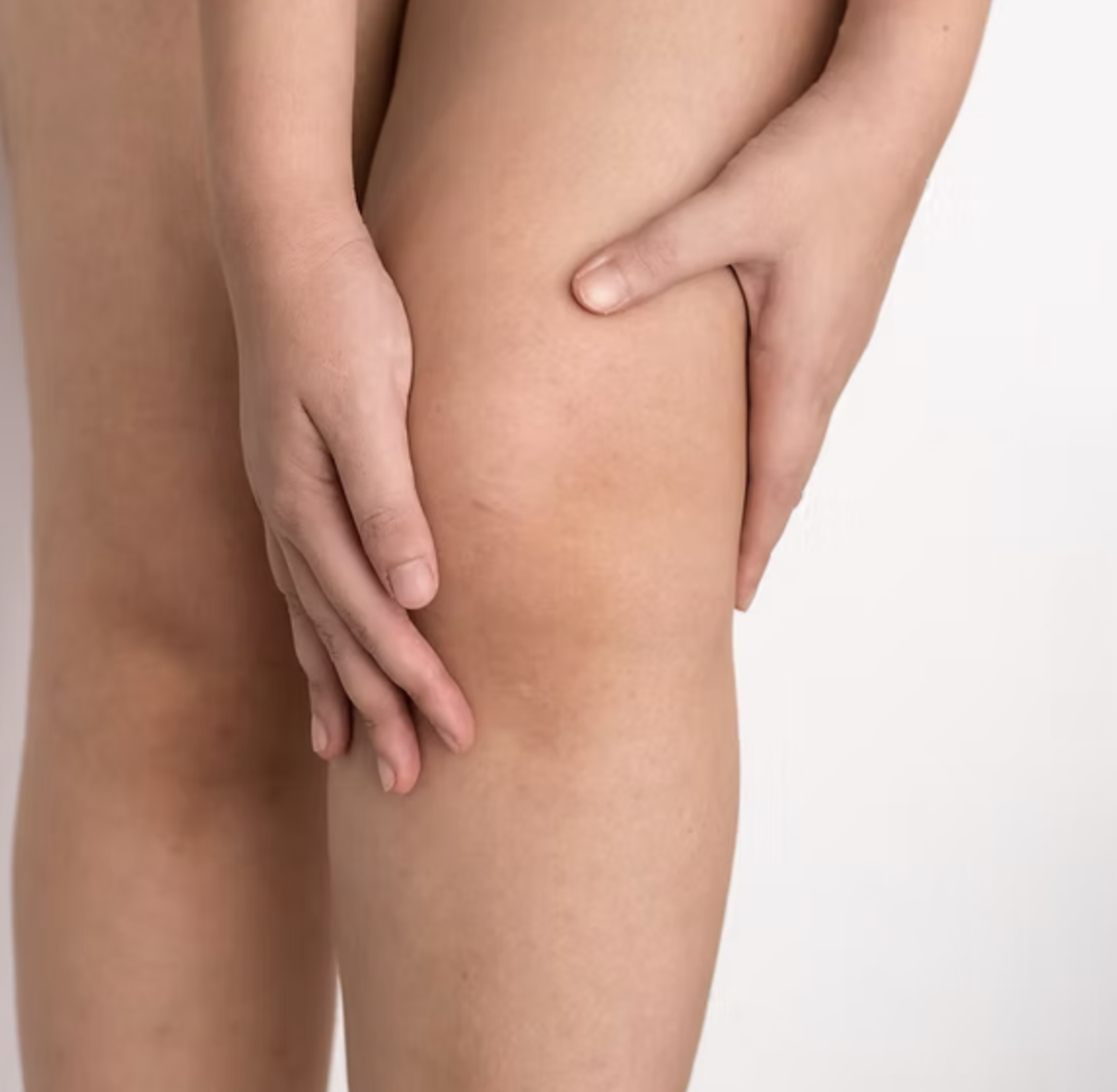
Lipoedema is a chronic condition of anormal fatty deposits which usually appears in the hips, thighs, legs, arms and forearms. Lipoedema mainly affects women, can be painful, and is resistant to dieting and exercise.
The hands and feet are generally spared of fatty deposits however they can retain fluid.
Lipoedema is classified by type (location) and stage (changes in skin texture and appearance).
Type I Hips, buttocks, hips
Type II Buttocks to knees, formation of fatty folds around the knee
Type III Buttocks to ankles
Type IV Arms
Type V Lower legs
Stage 1 (Mild) – Skin is smooth but small nodules can be felt in the subcutaneous layer.
Stage 2 – Skin has an orange peel texture (peau d’orange). Nodules are more prominent and vary in size.
Stage 3 – Lobes begin to appear with tissue becoming hardened.
Stage 4 (Severe) – Lipoedema and lymphoedema coexists.
Treatment for Lipoedema typically includes:
-
Manual lymphatic drainage (MLD) is also effective in managing lipoedema as it helps reduce swelling and improve lymph flow. It’s particularly helpful in managing the pain and discomfort associated with lipoedema. Gentle techniques desensitise painful areas and firmer techniques can help to soften fatty fibres pre surgery.
-
Wearing compression garments can help reduce swelling and support the tissues affected by fat accumulation. They are especially useful in managing symptoms and desensitising painful tissue. The compression garments also offer support to larger areas affected by lipoedema.
-
While exercise may not reduce the fat itself, it can help modulate symptoms like pain and improve circulation. Exercises is a fantastic tool for positive mental health and to manage regular adipose tissue laydown.
-
While lipoedema is not caused by lifestyle factors, maintaining a healthy diet and weight may help manage symptoms and reduce excess fat in non-affected areas. It is also beneficial for positive mental health and wellbeing.
-
In some cases, liposuction is used to remove the abnormal fat deposits associated with lipoedema. This procedure is specially adapted to treat lipoedema and is aimed at reducing the appearance of the affected areas. It does not cure the underlying condition but it can reset the clock.
-
Since lipoedema can be distressing as it often affects a person’s appearance and functional capabilities. Counselling or support groups can be beneficial for positive emotional and mental health.